PPF vs Ceramic Coating: What’s the Difference?
Paint Protection Film and Ceramic Coatings are both designed to protect your car, but they protect it in very different ways. So, which one do you actually need?
It is one of the most common questions we hear at ProTECHT IV.
Both Paint Protection Film and ceramic coatings can help keep a car looking newer for longer, but they are not interchangeable. One creates a physical barrier between the paint and the outside world, whilst the other creates a protective surface coating designed primarily to make the paint easier to maintain and more resistant to environmental contamination.
Understanding the difference is important when deciding how best to protect your car.
What does Paint Protection Film actually do?
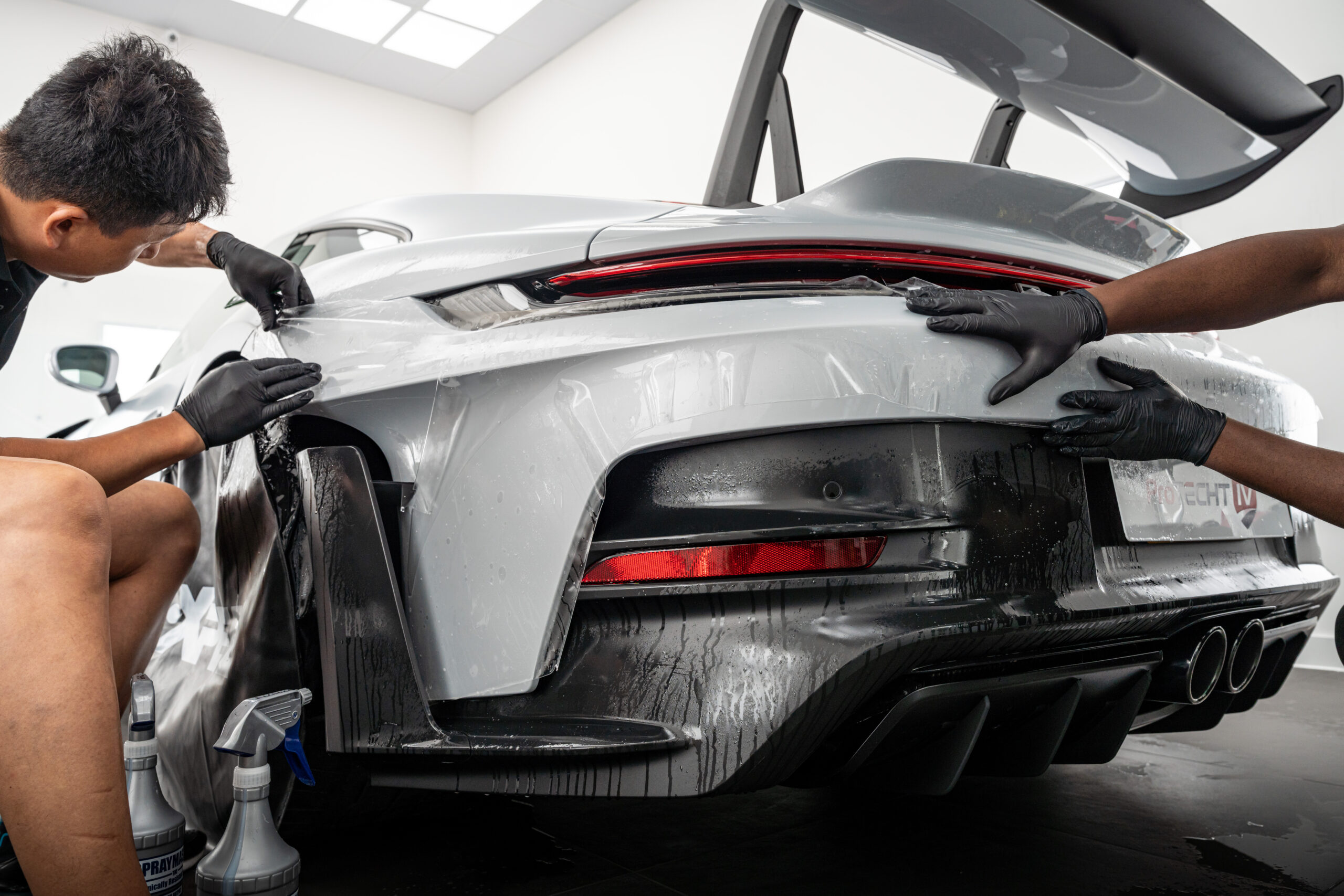
Paint Protection Film is a transparent polyurethane film that is applied directly to the painted surfaces of a vehicle. Its primary purpose is physical protection.
The film acts as a sacrificial layer between the paint and the things that can damage it during everyday driving – including stone chips, road debris, light scratches, scuffs and abrasion. Modern PPF can also incorporate self-healing properties, allowing minor surface marks and swirl-type scratches in the film to disappear when exposed to heat.
The important distinction is that PPF is there to absorb and resist physical impact before that impact reaches the original paint beneath it.
For vehicles that are driven regularly, particularly performance cars and vehicles that spend time on motorways or country roads, this can make a significant difference to the long-term condition of the paintwork.
For an extensive overview of PPF, have a read of our recent Journal entry by clicking here: Paint Protection Film Explained: What Is PPF and Is It Worth It?
What does a Ceramic Coating do?
Ceramic coatings work in a different way.
Rather than providing a substantial physical barrier, a ceramic coating bonds to the surface of the paint to create a durable protective layer.
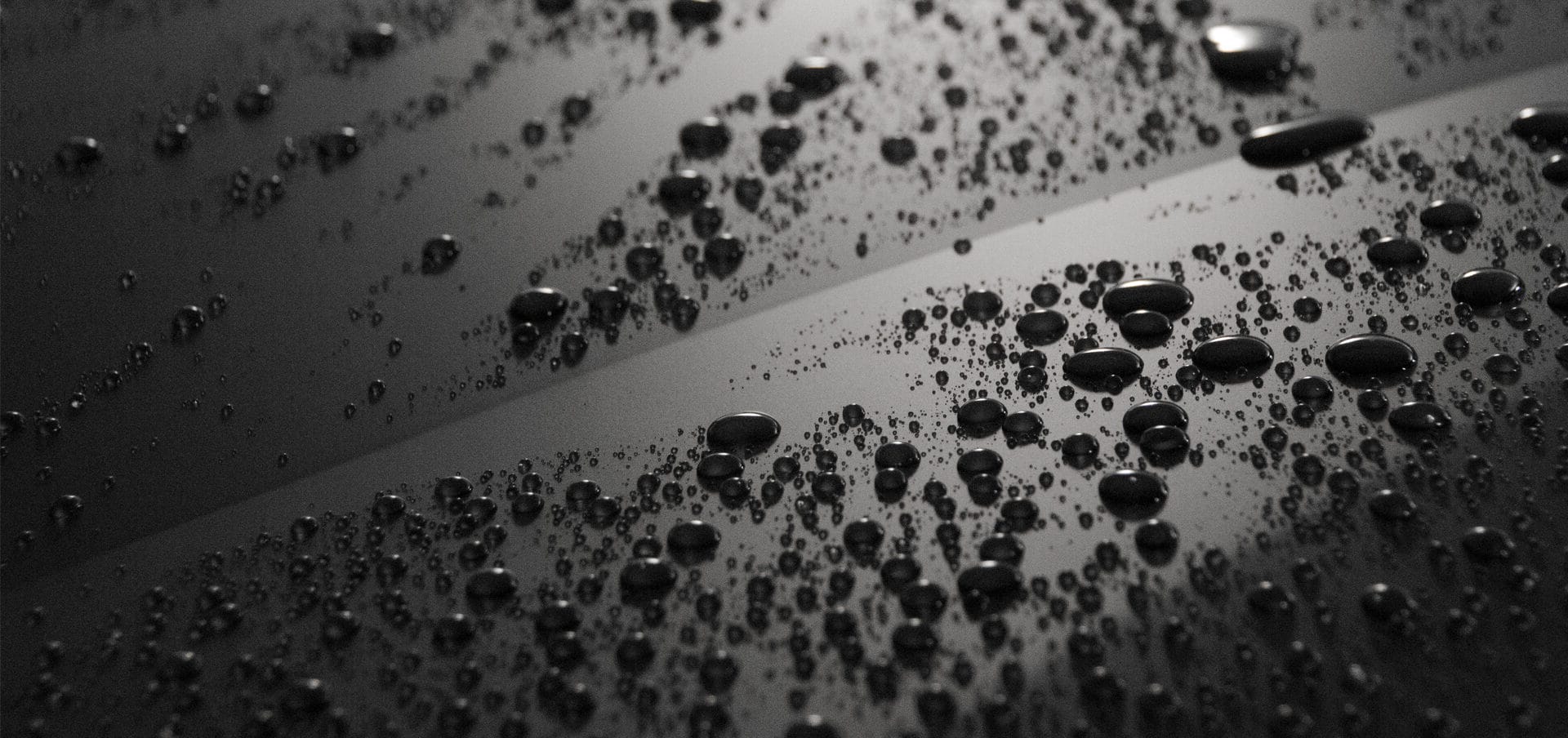
One of its biggest benefits is hydrophobicity. Water, dirt and other contaminants are less inclined to bond to the surface, making the vehicle easier to wash and maintain.
A quality ceramic coating can also provide additional resistance to environmental contamination and will enhance gloss levels of the paintwork.
What it does not do, however, is provide the same level of physical protection as PPF.
A ceramic coating may help protect against contamination and make the surface easier to maintain, but it is not designed to stop a stone chip or scratches from reaching the paint.
PPF vs Ceramic Coating: the key difference
The simplest way to think about it is:
PPF protects the paint from physical damage. Ceramic coating protects the surface and makes the car easier to maintain.
There is some overlap between the benefits of the two, but they perform fundamentally different roles.
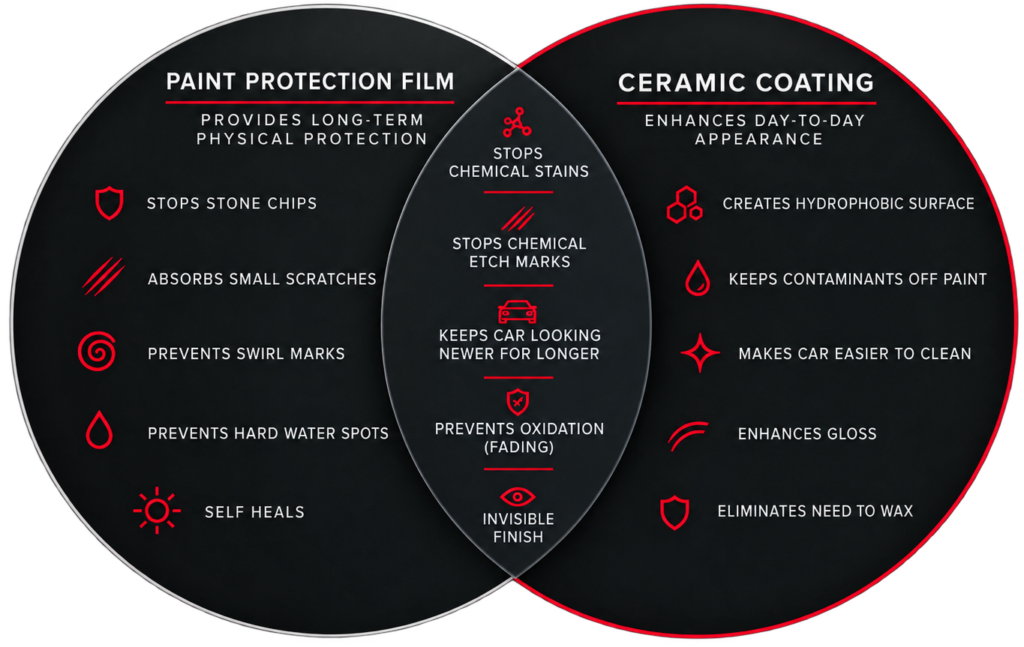
Neither should necessarily be viewed as an alternative to the other. In many cases, they work particularly well together.
So, which should you choose?
That depends on what you are trying to protect against.
If your main concern is stone chips, road debris, scratches and physical damage, PPF is the more relevant form of protection.
If your priority is ease of maintenance, water behaviour and protecting the surface from environmental contamination, ceramic coating can be an excellent choice.
And if you want both physical protection and easier maintenance, combining the two can provide the benefits of both.
There is also an important point that is sometimes overlooked: you don’t necessarily need full-car PPF to benefit from physical protection.
A More Accessible Approach to PPF
PPF has traditionally been associated with supercars, sports cars and high-value luxury vehicles.
But stone chips don’t know what badge is on the bonnet.
Every car is exposed to road debris, stone chips, scratches and everyday wear. Whether you drive a BMW, Audi, Mercedes-Benz, Volkswagen, Volvo, Tesla, MINI or something more modest, the underlying principle is the same: your paintwork can benefit from physical protection.
For many every day and semi-premium cars, covering every panel in PPF may not be necessary. A more targeted approach can provide meaningful protection whilst keeping the overall investment more accessible.
This is the thinking behind our Essential Protection Package.
Essential Protection: Your First Step into Professional Vehicle Protection
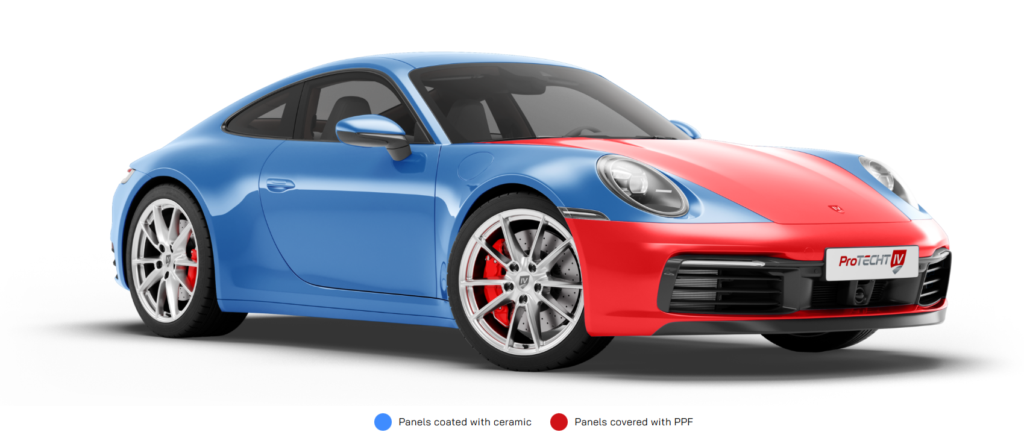
Our Essential Protection Package combines Paint Protection Film on the bonnet and front bumper with professional Gtechniq ceramic protection across the remaining painted bodywork.
The areas most exposed to stone chips and road debris receive genuine physical protection from PPF, while the remaining surfaces benefit from the gloss, water repellency and easier maintenance provided by ceramic protection.
PPF where your car takes the biggest hits. Ceramic protection everywhere else.
Value Without Compromising on Protection
An accessible package doesn’t mean an entry-level installation. We use PPF and market-leading Gtechniq ceramic protection, selecting the most appropriate product for each surface rather than simply applying the same coating throughout.
Combined with precision patterns and specialist installation techniques, every vehicle is prepared and finished to ProTECHT IV’s exacting and award-winning standards.
The result is professional-grade protection at a similar investment to many dealership ceramic coating packages, but with the added benefit of genuine physical protection from PPF.
The Best of Both – Ceramic Coatings Don’t Replace PPF. They Complement It.
At ProTECHT IV, we believe professional vehicle protection shouldn’t be reserved for expensive cars. The Essential Protection Package makes that first step more accessible – with protection designed around how most people actually use their vehicles.