Paint Protection Film Explained: What Is PPF & Is It Worth It?
Paint Protection Film has become one of the most effective ways to protect a vehicle’s paintwork. But what exactly is PPF, what does it protect against, and is it really worth the investment?
If you’ve recently bought a new car, spent money restoring a vehicle, or simply want to keep your paintwork looking its best, you may have come across the term Paint Protection Film, or PPF.
It is increasingly popular across everything from daily-driven cars and SUVs to high-performance and prestige vehicles. But despite its growing popularity, there are still plenty of misconceptions about what PPF actually is and what it can, and can’t do.
So, let’s start with the basics.
What is Paint Protection Film?
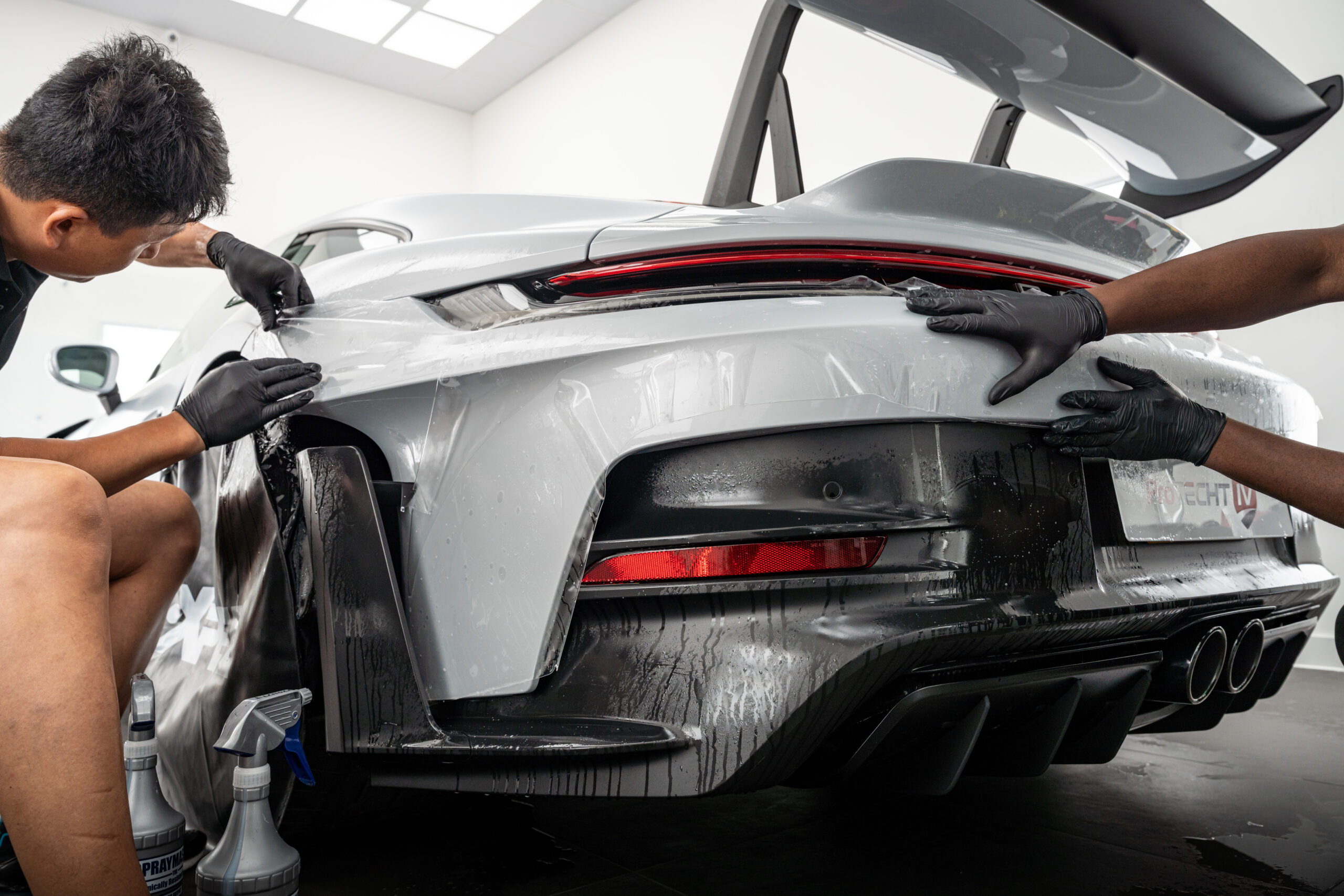
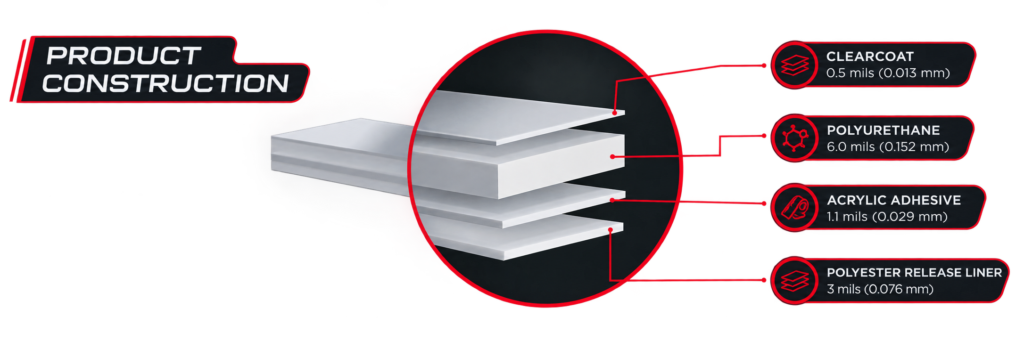
Paint Protection Film is a thin, transparent polyurethane film applied to a vehicle’s painted or carbon surfaces.
Its primary purpose is simple: to provide a physical barrier between the paintwork and the outside world.
Unlike a ceramic coating, which forms a protective chemical layer over the surface, PPF is designed to absorb and disperse the effects of physical impacts and abrasion.
That makes it particularly effective against some of the everyday hazards that can cause permanent damage to automotive paintwork – most notably stone chips and road debris. Modern PPF is highly engineered. Depending on the film selected, it can incorporate properties such as self-healing technology, UV resistance and stain resistance, while remaining optically clear when correctly installed.
What does PPF protect against?
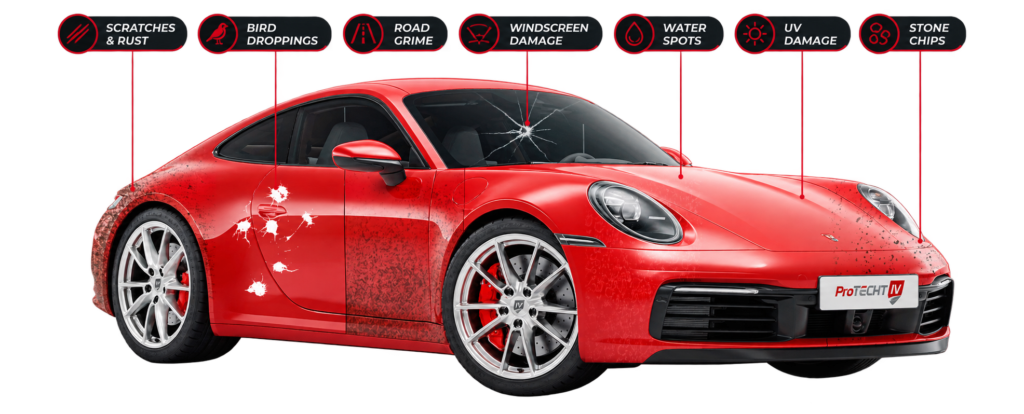
Your car’s paintwork has to deal with an extraordinary amount of abuse during normal use.
Stone chips thrown up by vehicles in front, loose road debris, insects, grit, road salt and everyday contact all gradually take their toll.
PPF can help protect vulnerable painted or carbon surfaces against:
It is particularly valuable on areas that naturally are more exposed, such as the front bumper, bonnet, wings, mirrors and lower sections of the vehicle.
The important distinction is that PPF is protection against damage – not a guarantee that damage can never occur.
A sufficiently severe impact can still damage the film and, in some circumstances, the paint underneath. But rather than having the impact directly affect the vehicle’s paintwork, the PPF provides a robust and exceptionally tough additional sacrificial layer.
How does self-healing PPF work?
One of the features that has helped modern PPF become so popular is its ability to self-heal certain types of surface damage.
Self-healing PPF contains an elastomeric top layer that can recover from minor surface marks when exposed to heat.
Fine scratches and light marring can therefore disappear over time, particularly when the film is warmed by sunlight or carefully heated during maintenance.
However, it is important to understand the limitation, self-healing doesn’t mean damage-proof!
Deep cuts, substantial impacts or damage that penetrates the film cannot simply disappear. The benefit is primarily in dealing with the fine surface marks that would otherwise accumulate on an unprotected finish.
Is PPF completely invisible?
When installed correctly, clear PPF can be extremely difficult to detect. That is one of the reasons installation quality matters so much.
The finished result depends on far more than the quality of the film itself. Paint preparation, pattern design, panel coverage, installation technique, edge finishing and quality control all contribute to how discreet the finished installation appears. A poorly prepared or poorly installed piece of PPF can be noticeable. A carefully installed film cut from a bespoke template will allow the underlying paintwork to remain the focus point.
This is particularly important on modern vehicles, where complex bodywork, sharp creases and intricate panel shapes conspire to make installation more challenging.
How much of the car should be protected?
There isn’t one answer that suits every vehicle.
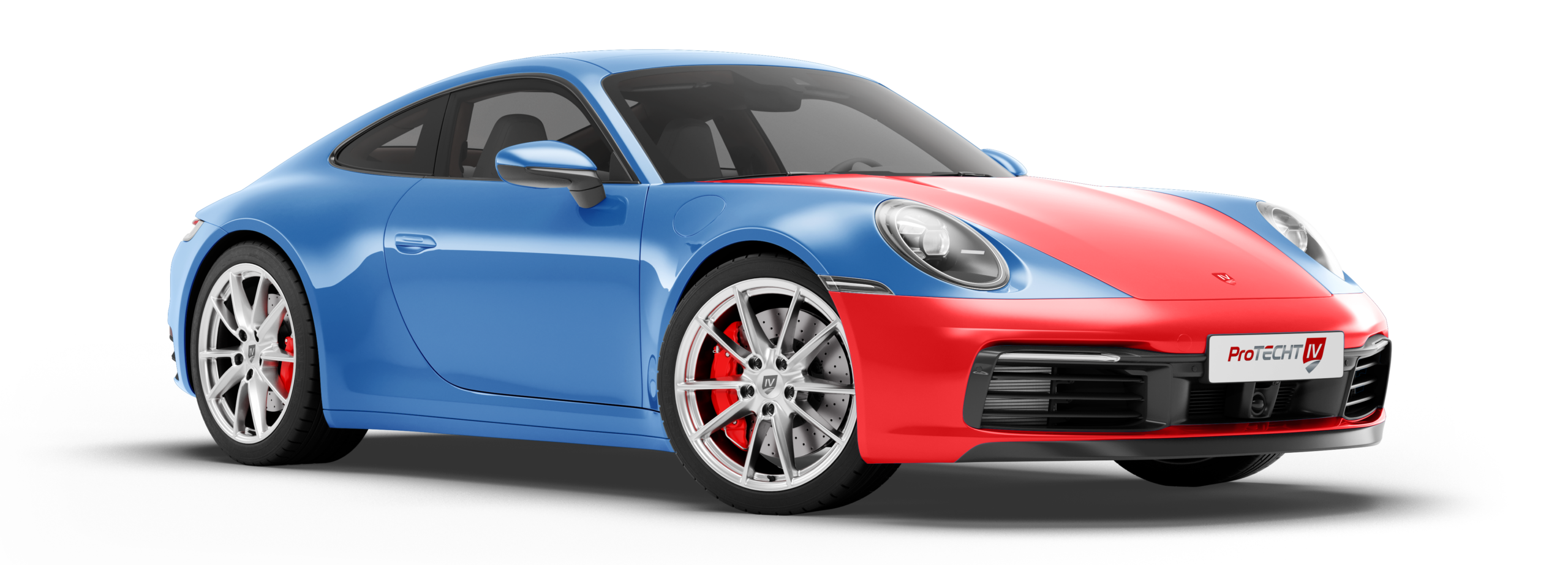
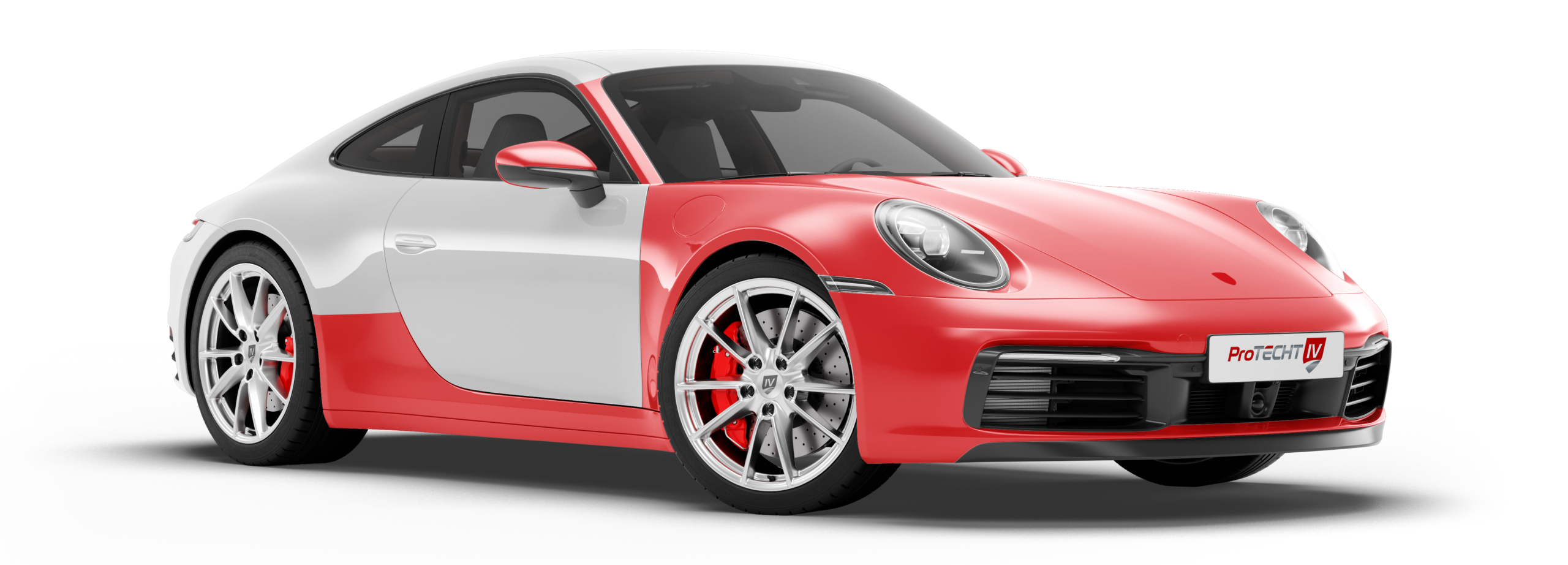
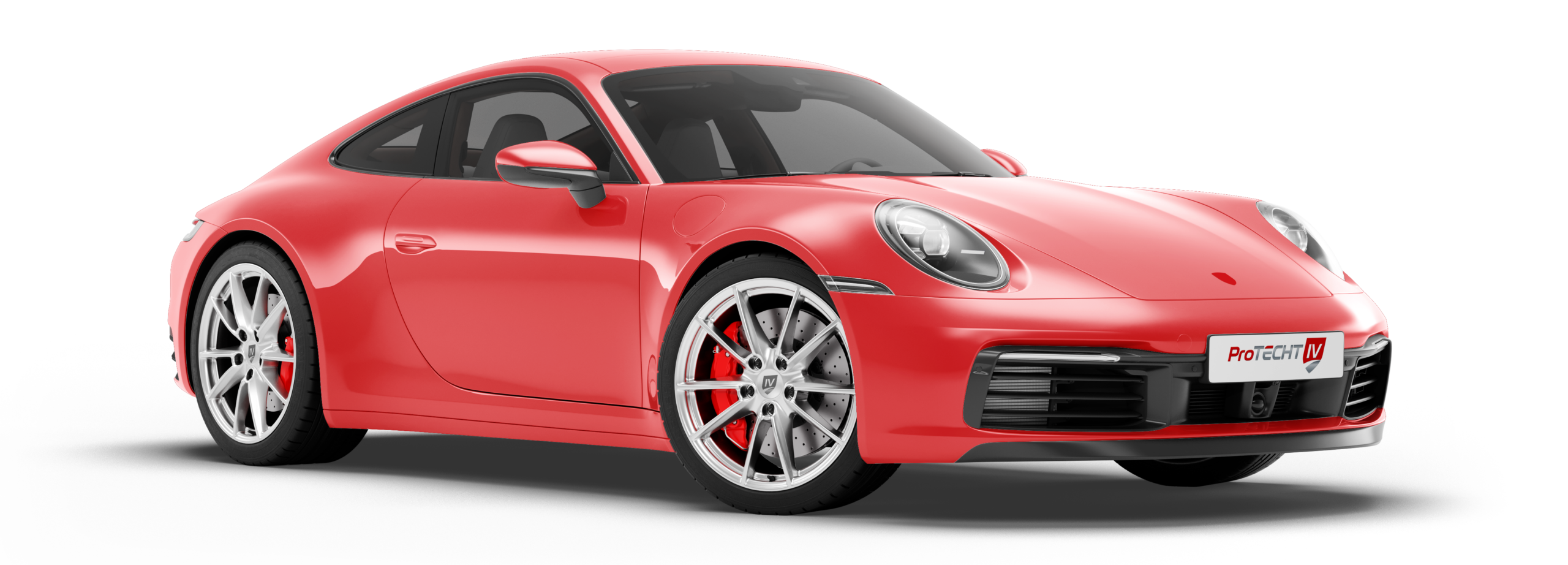
Some owners choose to only protect the areas most exposed to stone chips and road debris. This might include the front bumper, bonnet, wings, mirrors and side sills. Others prefer a much more comprehensive approach, protecting the entirety of the vehicle.
The right approach depends on several factors:
How you use the car – A vehicle that spends most of its time on motorways may have different protection priorities from one that is predominantly driven around town.
The type of vehicle – Low-slung sports cars, performance cars and SUVs can all have different areas of vulnerability.
How long you intend to keep it – If you’re planning to keep a vehicle for many years, protecting the paint from the outset makes perfect sense. Equally it’ll retain more value if it stays in pristine condition throughout ownership.
Your priorities – Some owners are primarily concerned with preventing stone chips. Others want to preserve the appearance and condition of an entire vehicle.
However, here at ProTECHT IV, there is no requirement to choose between packages as every PPF installation we carry out can be tailored around the vehicle and the owner’s requirements.
Should you put PPF on a brand-new car?
For many owners, this is when PPF makes the most sense. A brand-new car represents a significant investment, and its paintwork is at its best when it leaves the factory or preparation centre.
Once the vehicle is on the road, however, that paint immediately becomes exposed to stone chips, road debris, contamination and everyday wear. Installing PPF early means you can protect the original finish before it has accumulated the damage you’re trying to prevent.
That doesn’t mean PPF is only for new cars. It can also be extremely effective on an existing vehicle, provided the paintwork is suitable for installation. Depending on its condition, some vehicles may benefit from paint correction or additional preparation before the film is applied. All tasks that we are able to execute to perfection here at ProTECHT IV.
Can PPF be applied over damaged paint?
This is an important consideration. PPF is designed to protect and preserve paintwork; it isn’t intended to disguise significant existing damage.
Stone chips, scratches, defects and contamination can remain visible beneath clear film, and removing the PPF at a later date will reveal the condition of the paint that was underneath it. For that reason, the condition of the vehicle should always be assessed before installation.
Where appropriate, paint correction or other preparation can help ensure that the finish beneath the film is as good as possible before protection is applied.
This is one of the reasons we place such a strong emphasis on preparation at ProTECHT IV.
The Final Verdict…
Paint Protection Film won’t make a car invincible, and it isn’t necessary for everyone. But if your priority is protecting the paintwork from the realities of everyday driving while maintaining the appearance of the vehicle, few forms of protection offer the same combination of physical protection and visual subtlety.
And ultimately, that’s what good PPF should do. Protect the paint without distracting from the car.
At ProTECHT IV, we approach every PPF installation around the individual vehicle, its owner and the level of protection required. From targeted protection of high-impact areas to comprehensive vehicle coverage, the objective is always the same: to deliver protection that looks as good as the car itself.