Bulk Installation vs Pre-Cut vs Bespoke PPF Patterns: What’s the Difference?
Paint Protection Film is designed to protect your vehicle’s paintwork from stone chips, road debris, scratches and everyday damage. But while much of the attention is understandably focused on the film itself, the way it is cut, prepared and installed can be just as important.
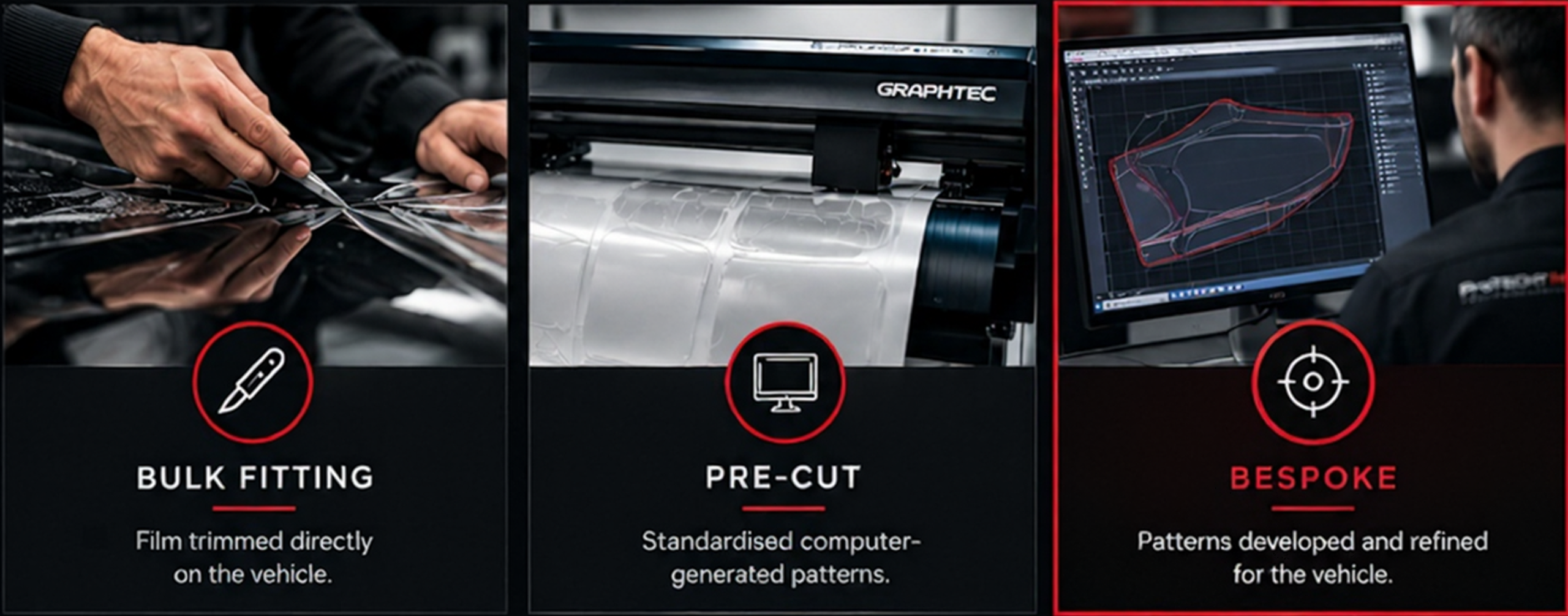
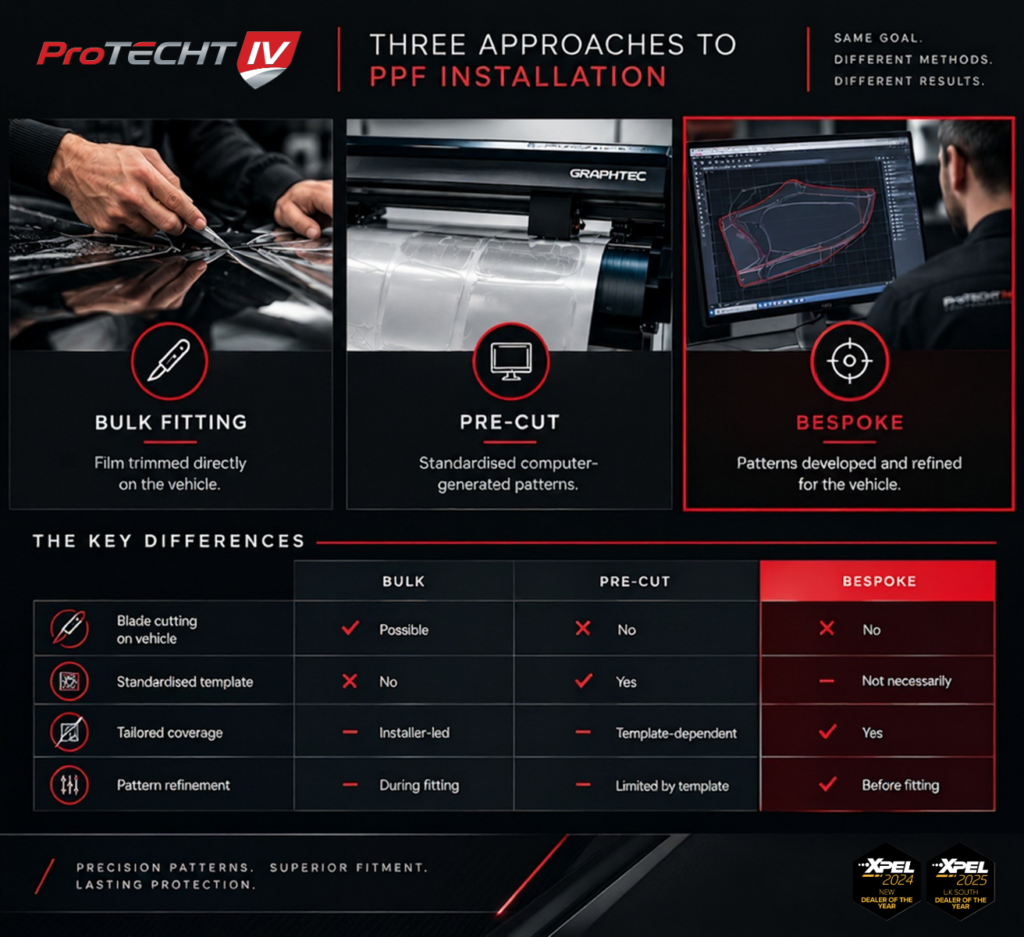
There are three principal approaches to PPF installation: bulk fitting, pre-cut patterns and bespoke patterns. Each has its place, but understanding the differences can help you make a more informed decision about who you trust to protect your vehicle.
Bulk Installation: Cutting Film Directly On The Vehicle
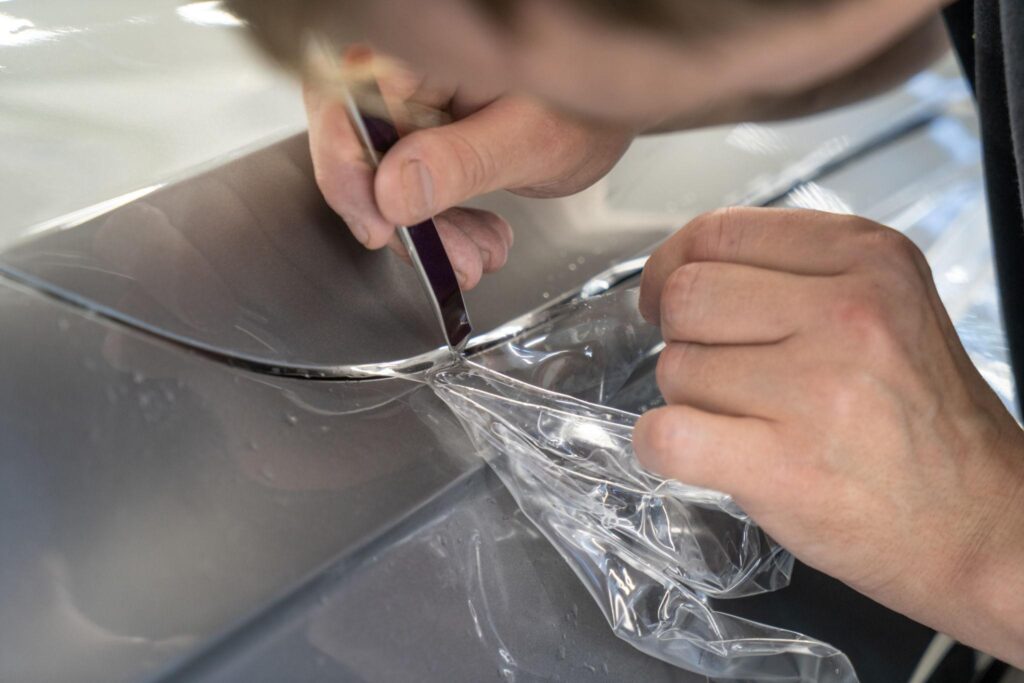
Bulk installation involves applying an oversized piece of PPF to a panel and trimming it to shape during the installation process. Rather than relying on a pre-existing template, the installer works directly on the vehicle to achieve the desired fit.
In experienced hands, bulk fitting can produce solid results, particularly on unusual or complex bodywork where a suitable template may not exist. However, it also introduces some inherent risks.
The most significant concern is the use of a blade directly on or close to the vehicle’s painted surfaces. Even a highly skilled installer must exercise extreme care, as an accidental slip or excessive pressure can cut into the paintwork. The damage may not always be immediately obvious, but can leave the vehicle requiring paint correction or, in more serious cases, repainting.
There are also potential challenges around fitment and film tension. Inconsistent trimming can result in uneven edges, exposed paintwork or poorly aligned joins. Furthermore, if the film is stretched excessively or insufficiently relieved around high-tension areas, it can place stress on the material and increase the likelihood of edges lifting over time. In addition, attempting to mirror fitment on both sides of a vehicle is extremely difficult, during the original installation or when a replacement panel of film is required.
Bulk installation is not inherently poor practice, whilst it can be an effective approach in certain applications, the potential disadvantages can outweigh the benefits when compared with a properly prepared pre-cut or bespoke installation.
Pre-Cut Patterns: Convenience and Standardisation
Pre-cut PPF uses computer-generated templates designed for specific vehicle makes and models. These patterns are typically supplied through the film manufacturers’ pattern libraries and are intended to be used by their wider network of authorised or approved installers. One of the most common being ‘DAP’ (Design Access Program) created by XPEL.
One of their principal advantages is consistency. A standardised pattern can be distributed to numerous installation businesses, providing a familiar and repeatable starting point, regardless of the installer’s location or level of experience. As the film is cut by a plotter before it reaches the vehicle, there should also be no requirement to use a cutting blade directly on the paintwork.
However, there is an important distinction between a pattern designed for widespread compatibility and one designed to deliver the very best possible installation.
PPF Manufacturer-supplied patterns need to accommodate a broad range of installers, installation techniques and working practices. Consequently, they tend to favour standardisation, ease of application and repeatability. This can mean that certain patterns prioritise ease of installation over maximum coverage, with more conservative edges, larger panel gaps or simplified coverage around complex contours.
This is not necessarily a criticism of the manufacturers; it is a reflection of the practical requirements of supplying a pattern library intended for use across a large and varied installer network. The limitation is that a pattern which works adequately for a broad range of installers may not necessarily represent the optimum solution for a highly experienced specialist seeking the best possible finish.
A pattern supplied by a PPF manufacturer does not automatically make it the best pattern for that particular vehicle. The quality of the finished result still depends on the accuracy of the template, the installer’s experience and their willingness to go beyond the standard pattern where necessary.
Bespoke Patterns: Tailoring The Installation To The Vehicle
Bespoke PPF patterns take the concept of pre-cut templates a step further.
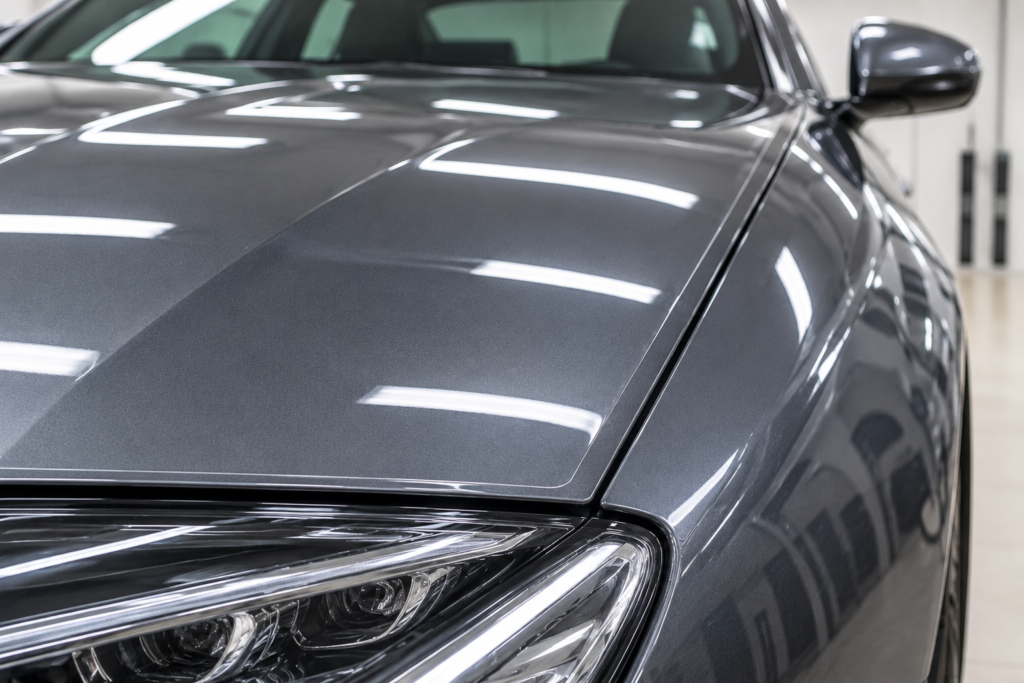
Rather than relying solely on an off-the-shelf pattern, the installation is tailored to the specific make, model and variant. This allows greater consideration to be given to panel edges, contours, complex bodywork, joins and areas where film tension needs to be carefully managed.
At ProTECHT IV, we have developed an extensive in-house library of bespoke vehicle patterns. This allows us to refine and maximise coverage, rather than simply accepting the limitations of a standard template. Another important advantage is the ability to create and retain precisely matched left- and right-hand patterns. This is particularly valuable if a panel needs to be replaced following accident damage or a subsequent repair. Rather than relying on an approximate match or attempting to recreate the original fitment, we can reproduce the corresponding pattern to maintain consistency across both sides of the vehicle. This level of repeatability is an important part of our approach to long-term vehicle protection.
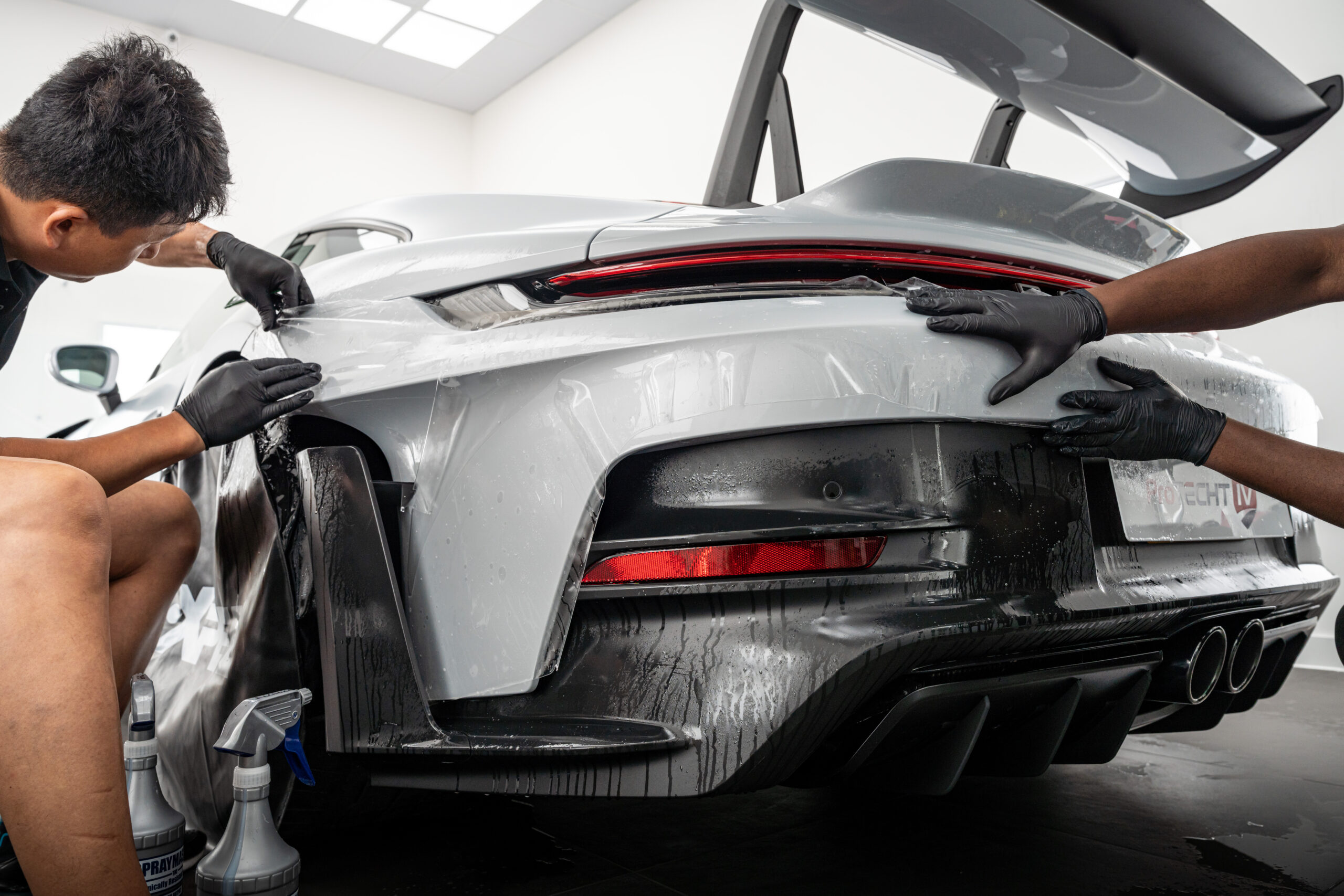
Importantly, our approach means we do not need to cut directly on the vehicle. Patterns are prepared and refined away from the paintwork, helping to eliminate the risk associated with blade cutting during installation.
For particularly challenging vehicles or newly introduced models, this will involve test-fitting and refining patterns to achieve the best possible result.
The objective is simple: maximise coverage, minimise visible edges and joins, and achieve a precise, consistent finish without compromising the original paintwork.
So, Which Installation Method Is Best?
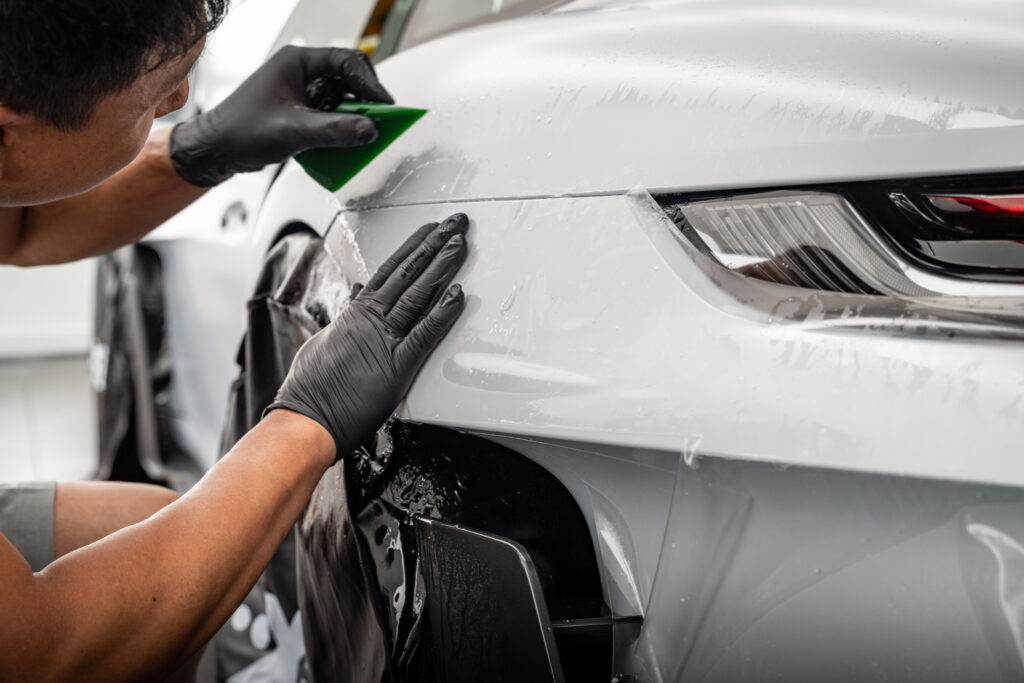
All three approaches have their place, and the quality of any PPF installation will ultimately depend on the experience, skill and attention to detail of the installer.
However, at ProTECHT IV, we have made a conscious decision to place bespoke pattern design at the heart of our installation process. We believe it provides the greatest opportunity to refine coverage, achieve precise panel fitment and manage the finer details that distinguish a good installation from an exceptional one.
Our multi-award-winning reputation has been built on this philosophy. Rather than simply accepting the limitations of an off-the-shelf template or relying on extensive trimming during installation, we invest time in developing and refining patterns specifically to achieve the best possible result.
It is an approach that demands greater expertise, preparation and attention to detail, but we believe the benefits are evident in the finished installation.
Ultimately, the objective is not simply to apply PPF to a vehicle. It is to achieve the most precise, consistent and discreet finish possible, while providing the greatest practical level of paintwork protection.
For us, bespoke patterns aren’t simply an alternative installation method; they’re fundamental to the standard of workmanship we strive to deliver.
Ready to Discuss Your Vehicle?
Our team is on hand to talk you through the bespoke patterns and templates we’ve developed, all ready and waiting to be cut and expertly applied to your pride and joy.
Whether you’re considering full or partial PPF coverage, we have the experience, expertise and templates to help protect your vehicle.
Get in touch today to find out more!